On Tuesday of this week, the yen depreciated against the U.S. dollar, briefly reaching 161.58 yen per dollar, approaching its lowest level in nearly 40 years. Market discussions regarding potential intervention by Japanese authorities have intensified.
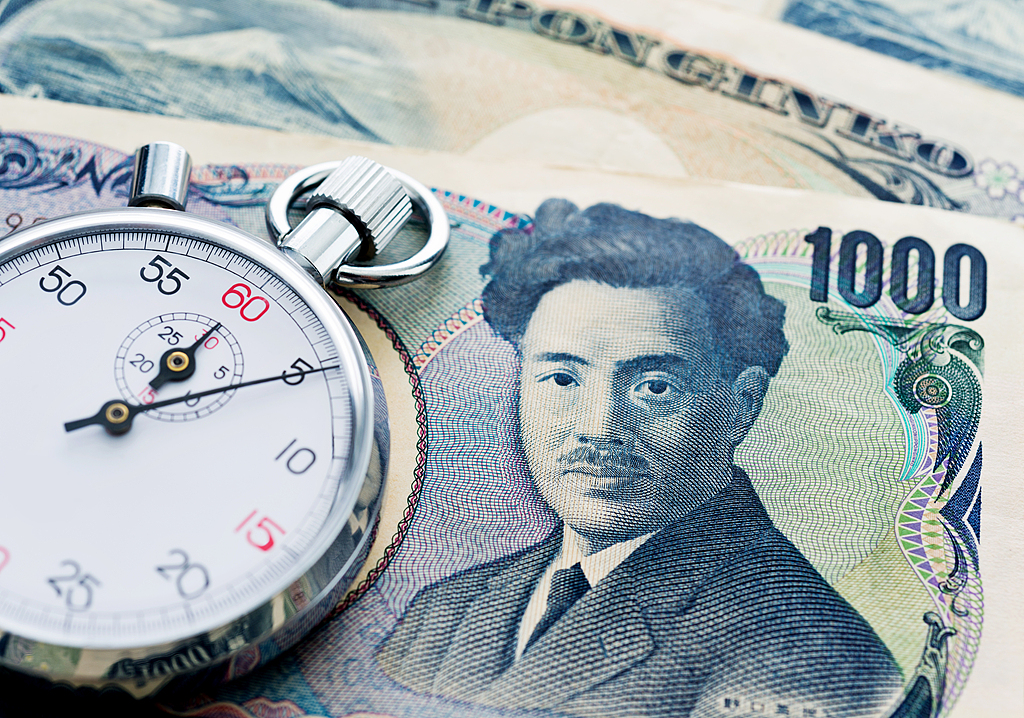
On Tuesday, the yen traded as weak as 161.58 per dollar, nearing the previous 2024 low of 161.96. A break below that level would mark the yen’s weakest position since 1986.
Since the beginning of this year, the yen has depreciated by approximately 3%. Despite the Bank of Japan’s rate hike of 25 basis points last week, the boost to the yen has been limited. With the Federal Reserve refraining from cutting rates, the interest rate differential between the U.S. and Japan remains wide, continuing to pressure the yen.
Meanwhile, uncertainty regarding Japan’s fiscal spending has increased. As market expectations grow for additional stimulus measures and tax cuts, Japanese government bond yields remain near multi-decade highs.
The prolonged weakness of the yen has heightened market focus on the possibility of further foreign exchange intervention by Japanese authorities. According to Japanese media reports, on Monday, Japanese Finance Minister Katsunobu Kato held a virtual meeting with U.S. Treasury Secretary Scott Bessent, during which policy measures to address the yen’s historic depreciation, including currency intervention, were discussed.
Between late April and early May of this year, the Japanese government intervened in the foreign exchange market with a record 11.7 trillion yen (approximately 72.4 billion U.S. dollars). However, this measure provided limited support to the yen, as it has fallen back to 40-year lows over the past month.
Japanese officials have previously warned on multiple occasions that further intervention measures would be taken if the yen continues to weaken. On Monday, Finance Minister Kato stated that Japan would take appropriate action on foreign exchange as needed.