① Facing pressure from the concentrated retirement of the baby boomer generation and continuously expanding pension deficits, German Chancellor Merz is preparing to promote the establishment of a “Nordic-style” state pension investment fund.
② Through supplementary contributions equivalent to 2% of total wages, funds will be invested in stock and bond markets, which is expected to bring at least 30 billion euros in incremental capital to financial markets each year.
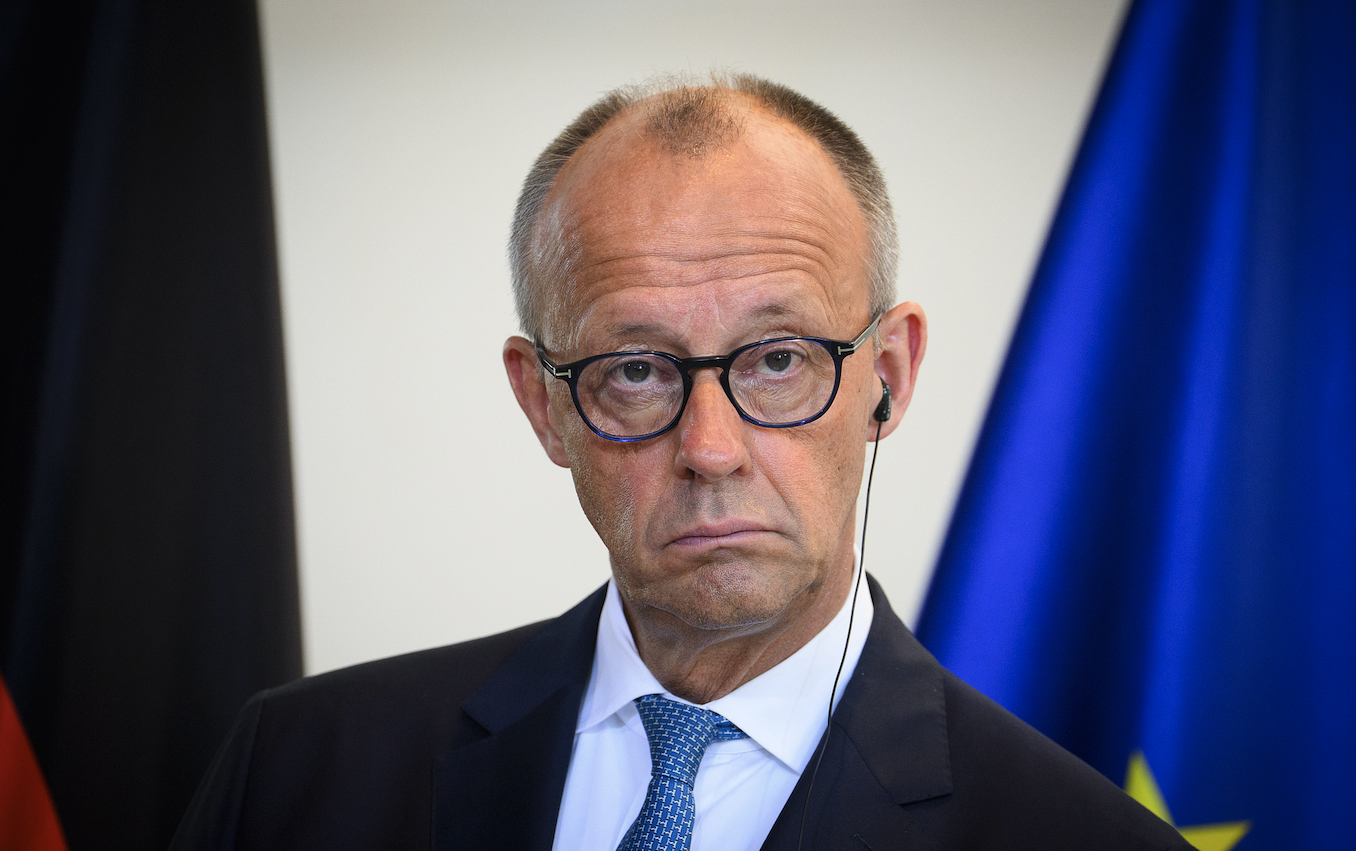
June 23 News: As the originator of the modern state pension insurance system, Germany is preparing to establish a Nordic-style state pension investment fund to share the increasingly severe fiscal pressure of pension insurance through capital means.
The proposal also includes abolishing the policy that allows retirees to receive a full pension after 45 years of contributions (meaning retirement as early as age 64), but these two points are highly likely to face strong opposition from labor unions.
The proposal also plans to require employers to pay full social security contributions for gig economy workers and to bring groups currently exempt from statutory pension insurance into the system. Merz also stated on Tuesday that these proposals “can only work as a whole.” From “savings-based pensions” to “investment-based pensions” If Merz’s reform plan is ultimately implemented, it will mark a change in the underlying logic of Germany’s pension system. Unlike Sweden, the United States, and other countries where pensions actively enter capital markets, Germany’s current statutory pension system does not currently require workers to accumulate substantial retirement savings in capital markets. This is also regarded as an important reason for the low stock ownership rate among German households. Stefan Kemper, chief investment strategist at BNP Paribas Wealth Management, commented that this fund plan sends “a very important signal” in addressing Germany’s demographic changes, and may also elevate the status of capital markets in the minds of the German public. For a long time, the German public has held a skeptical attitude toward capital markets. Kemper said: “So far, Germans have been savers, not investors. For many people, capital markets are still associated with negative characteristics such as speculation.” Germany’s financial industry also generally welcomes this plan, saying that establishing a market-based fund will be a key way to provide financial support for pensions. Bank executives, including Deutsche Bank CEO Christian Sewing and Commerzbank CEO Bettina Orlopp, have also once again called for expanding the coverage of company pension schemes.