Meta and EssilorLuxottica have partnered to launch the new Meta Glasses series, with a starting price of $299, which is $80 cheaper than the previous generation.
The new glasses feature built-in cameras and speakers, offering real-time translation, environmental recognition, and other functions, with battery life exceeding 8 hours.
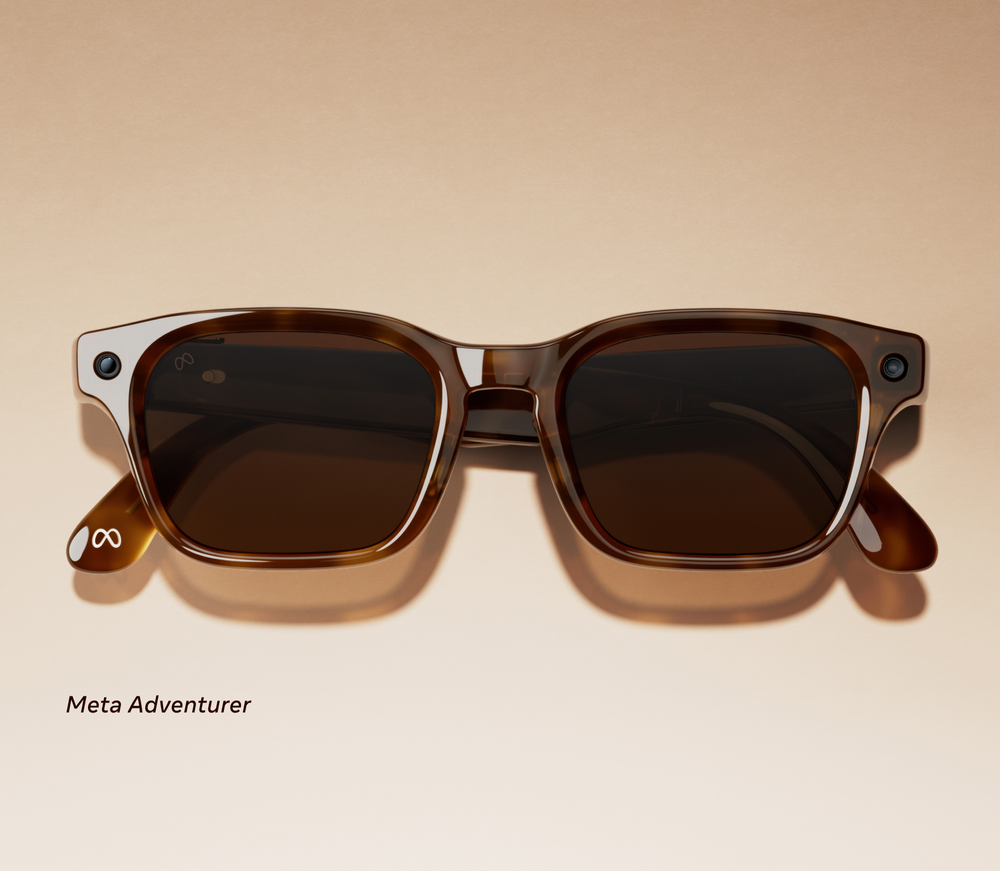
June 23 News — On Tuesday (June 23), Meta announced on its official website that the company has partnered with EssilorLuxottica to launch a new Meta Glasses series.
The series features a design and includes three frame styles, with a starting price of only $299 (approximately 2,029 yuan), at least $80 cheaper than the company’s second-generation entry-level Meta Ray-Ban smart glasses.
Like previously launched glasses, the new series was jointly developed by Meta and Ray-Ban parent company EssilorLuxottica, but the product itself does not use the Ray-Ban or Oakley brand logos.
The new Meta Glasses do not have a display, but include built-in cameras and speakers. Users can obtain real-time translation, recognize and understand information about their surroundings through Meta AI, and also take photos and videos.
The press release states that Meta Glasses have a battery life of more than 8 hours and come with a portable charging case that provides up to 40 hours of additional battery life.
Meta executives said that lightweight smart glasses are only a step toward more advanced products, and future products will integrate displays into the lenses and have stronger computing power.
Meta last year released the Ray-Ban Display glasses priced at $799, which feature a built-in display.
As competition intensifies and consumer interest in augmented reality devices heats up, Meta is actively promoting smart glasses to the mass market.
Although the overall smart glasses market remains relatively small, products from Meta and EssilorLuxottica have already gained a dominant position. Since the product was first launched in 2021, cumulative sales have reached millions of pairs, with an estimated market share of more than 80%.
Compared with virtual reality (VR) headsets, Zuckerberg has achieved greater success in the field of smart glasses. VR headsets were once an important strategic direction behind Facebook’s renaming to Meta in 2021, but that market remains relatively niche and mainly targets gamers. Zuckerberg hopes to control his own hardware platform in the era of artificial intelligence.
The competition in the smart glasses market is currently heating up.
Last month, Google announced that it is collaborating with eyewear brand Warby Parker to develop new smart glasses equipped with the Gemini AI model.
Last week, Snap also launched its smart glasses Specs, priced at $2,195, which Snap CEO Evan Spiegel positioned as the next-generation product to succeed smartphones.